Introduction
First help training courses have actually become progressively preferred for many years, especially in offices where security is a concern. Nevertheless, regardless of their expanding relevance, many misconceptions continue about these necessary training programs. In this thorough article, we will certainly debunk the Top Myths About Emergency treatment Courses, shedding light on the truth behind emergency treatment training, CPR training, and different specialized programs such as mental health emergency treatment and childcare very first aid.
Myth 1: You Don't Demand Emergency Treatment Training if You're Not a Medical Professional
One of one of the most pervasive misconceptions bordering emergency treatment courses is that only doctor need official training. This false impression can not be better from the truth.
Why Every person Should Consider Emergency Treatment Training
- Everyday Emergencies: Mishaps occur all over-- in your home, work, or throughout recreational tasks. Having basic understanding of emergency treatment can gear up anybody to react successfully in emergencies. Workplace Safety: Many employers require workplace emergency treatment accreditations to ensure a risk-free atmosphere for employees and customers alike. Community Responsibility: By taking an emergency treatment program, you become part of a community of responders that can help save lives.
Myth 2: First Aid Training is Also Made Complex to Learn
Another myth is that emergency treatment courses are excessively complicated and difficult to understand.
Simplifying First Aid Concepts
- Structured Learning: A lot of emergency treatment courses are designed with clear modules that break down complex treatments into easy steps. Hands-On Practice: Practical sessions enable individuals to practice techniques like mouth-to-mouth resuscitation and injury treatment under the guidance of qualified instructors. Online Accessibility: With online emergency treatment courses readily available, people can discover at their very own rate from the comfort of their homes.
Myth 3: All First Aid Courses Are the Same
Some individuals believe that all first aid courses offer similar content and abilities. Nonetheless, this isn't accurate.
Diverse Offerings in First Aid Training
- Specialized Courses: There are different types of emergency treatment training customized to certain settings such as company setups (corporate first aid training), childcare setups (childcare first aid course), and also mental health contexts (mental health emergency treatment). Certification Variability: Different organizations give distinctive qualifications based upon course material and ability level. Adaptability: Courses can be tailored to meet specific requirements or industry requirements, making certain importance and applicability in real-world scenarios.
Myth 4: One Training Course is Enough for a Lifetime
Many think that finishing one emergency treatment program is adequate for life. This notion neglects the need for regular updates in expertise and skills.
The Significance of Recertification
- Changing Guidelines: Medical procedures develop; thus, recertification ensures that professionals remain abreast of existing practices. Skill Retention: Regularly participating in correspondence course aids maintain efficiency in essential skills like mouth-to-mouth resuscitation and defibrillation techniques. New Techniques: Technologies in clinical treatments might introduce new strategies or devices that necessitate updated training.
Myth 5: You Only Required CPR Training for Heart Emergencies
While CPR training is important for heart emergencies, it's not limited solely to heart issues.
Broad Application of CPR Skills
- Versatile Skill Set: mouth-to-mouth resuscitation can additionally be applied in cases of drowning or choking events where breathing has stopped. Chain of Survival: Understanding how to execute CPR is essential as it forms component of the wider chain of survival-- prompt action boosts survival possibilities dramatically until expert help arrives.
Myth 6: First Aid Certification Guarantees Proficiency
Having a certification does not automatically suggest a person is experienced or confident in applying those skills throughout emergencies.
Building Self-confidence With Practice
- Practical Experience Is Key: While certification shows completion of a program, functional experience improves confidence when responding to real-life situations. Simulated Scenarios: Taking part in drills or simulations can prepare individuals for high-stress scenarios much better than academic discovering alone.
Myth 7: Online Emergency Treatment Courses Are Inferior to In-Person Training
A common belief amongst doubters is that online courses do not have the quality and effectiveness of standard classroom settings.
Evaluating Online Learning Effectiveness
- Accreditation Matters: Reliable organizations use accredited on-line programs with interactive components made to engage students effectively. Flexibility Advantage: Online formats permit people to revisit products as required and find out at their benefit without giving up quality.
Myth 8: If A person Is Harmed, It's Best Simply to Call Emergency Situation Services
While calling emergency solutions is commonly essential, waiting on assistance isn't constantly adequate or safe without instant intervention.
Taking First Activity Matters
- Immediate Reaction Can Save Lives: Recognizing what activities to take while waiting for experts can considerably affect outcomes. For instance, executing mouth-to-mouth resuscitation promptly on a person that has actually fallen down might mean the distinction between life and death before paramedics arrive.
Breaking Down Common Misunderstandings Around Workplace First Aid
Understanding Office Requirements
Employers have to comprehend their responsibilities relating to work environment security laws concerning emergency treatment demands.
1. Legal Obligations
It's important to grasp regional regulations bordering workplace safety requirements which usually mandate certain numbers or kinds of experienced workers based upon staff member matter or risk aspects first aid courses for babysitters connected with certain industries.
2. Evaluating Risks
Conducting routine assessments helps identify what kind(s)of training employees could require beyond generic programs-- such as manual handling training tailored specifically toward alleviating ergonomic threats within specific job functions while making certain compliance with safety standards set forth by regulating bodies like OSHA (Occupational Safety & & Health Management).
Mental Health First Aid-- An Expanding Necessity
Recognizing Mental Health and wellness Issues
In our fast-paced globe today even more than ever prior to recognizing indications suggesting somebody might be dealing with mental distress has taken priority along with physical disorders requiring focus-- therefore presenting psychological health-focused modules into conventional educational programs becomes important!
Training Availability
Various companies currently give specialized psychological health recognition programs informing participants about determining signs and symptoms consisting of anxiety conditions along with effective communication strategies using support towards those battling mentally without preconception connected!
Childcare First Aid Program Essentials
When taking care of kids understanding exactly how ideal technique emergency situation circumstances takes priority above all else!
Unique Obstacles Faced When Caring For Children
Children present different difficulties compared grownups; as a result specialized direction concentrated around pediatric care ensures caregivers equipped manage one-of-a-kind circumstances occurring from accidental injuries occurring on a regular basis throughout playtime tasks etc, stressing safety nets lowering possibility future incidents!
Corporate Emergency treatment Training Benefits
Investing sources right into detailed corporate-first-aid-training yields long-term advantages fostering safer working environments increasing spirits among staff whilst minimizing liability exposure due negligent accidents happening onsite!
Why Firms Have to Focus on Worker Safety
With statistics revealing increasing rates work injuries yearly failure prioritize employee well-being areas organizations in jeopardy legal repercussions destructive track records adversely influencing performance levels in general-- a win-win situation develops when proactive measures applied throughout workforce development initiatives showing dedication in the direction of promoting healthy society within offices across diverse sectors!
Frequently Asked Concerns (FAQs)
Q1: How long does a common first-aid qualification last?
Most qualifications last in between 2 to 3 years prior to needing revival through correspondence course concentrating on updated practices ensuring proficiency preserved throughout duration legitimacy durations established accordingly!
Q2.: Exist age constraints for taking a childcare-first-aid-course?
Generally speaking no stringent age constraints exist; nonetheless younger participants might profit having adult supervision/assistance throughout training sessions improving discovering experiences whilst guaranteeing capability realizing concepts presented effectively!
Q3.: Can I take an online-first-aid-course?
Absolutely! Countless respectable companies offer certified on the internet choices catering versatility choices allowing learners gain access to products conveniently fitting active timetables!
Q4.: What should I anticipate throughout my corporate-first-aid-training?
Participants usually go through hands-on practice combined theoretical components covering subjects ranging standard wound treatment procedures taking care of potential emergencies emerging within office environments while acquiring insights pertinent industry-specific regulations!
Q5.: Just how do I understand if my workplace calls for certain levels/training types?
Conducting extensive analyses helps recognize proper steps required based upon threat aspects present nature jobs carried out-- consisting of speaking with government policies describing required compliance requirements essential respective sectors involved!
Q6.: Does mental health-first-aid differ significantly from standard physical-related trainings?
Yes certainly-- it emphasizes exploring psychological health furnishing individuals identifying very early warning signs First aid compliance for childcare centres associated worrisome problems offering supportive treatments aimed alleviating adverse impacts associated bad mental health dealing with stigmas typically encountered culture facing these issues head-on!
Conclusion
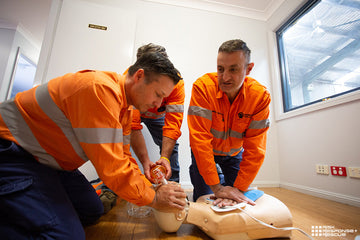
Debunking the Top Misconceptions Concerning Emergency treatment Courses reveals simply exactly how necessary this training genuinely is-- not just saving lives however cultivating much healthier neighborhoods in general! Everyone needs to take into consideration seeking some type initial education whether through conventional techniques online platforms mirroring modern-day demands adapting contemporary obstacles dealt with every day browsing complexities life throws our means-- from managing intense injuries happening all of a sudden everyday circumstances motivating positive methods instead counting solely emergency services alone waiting aid arrive; therefore boosting specific confidence preparedness readiness tackling whatever follows head-on!